The Next Evolution of LWIN: Turning Wine Lists into Value Faster
Liv-ex has introduced two connected improvements designed to help members work with wine lists more efficiently and at scale.
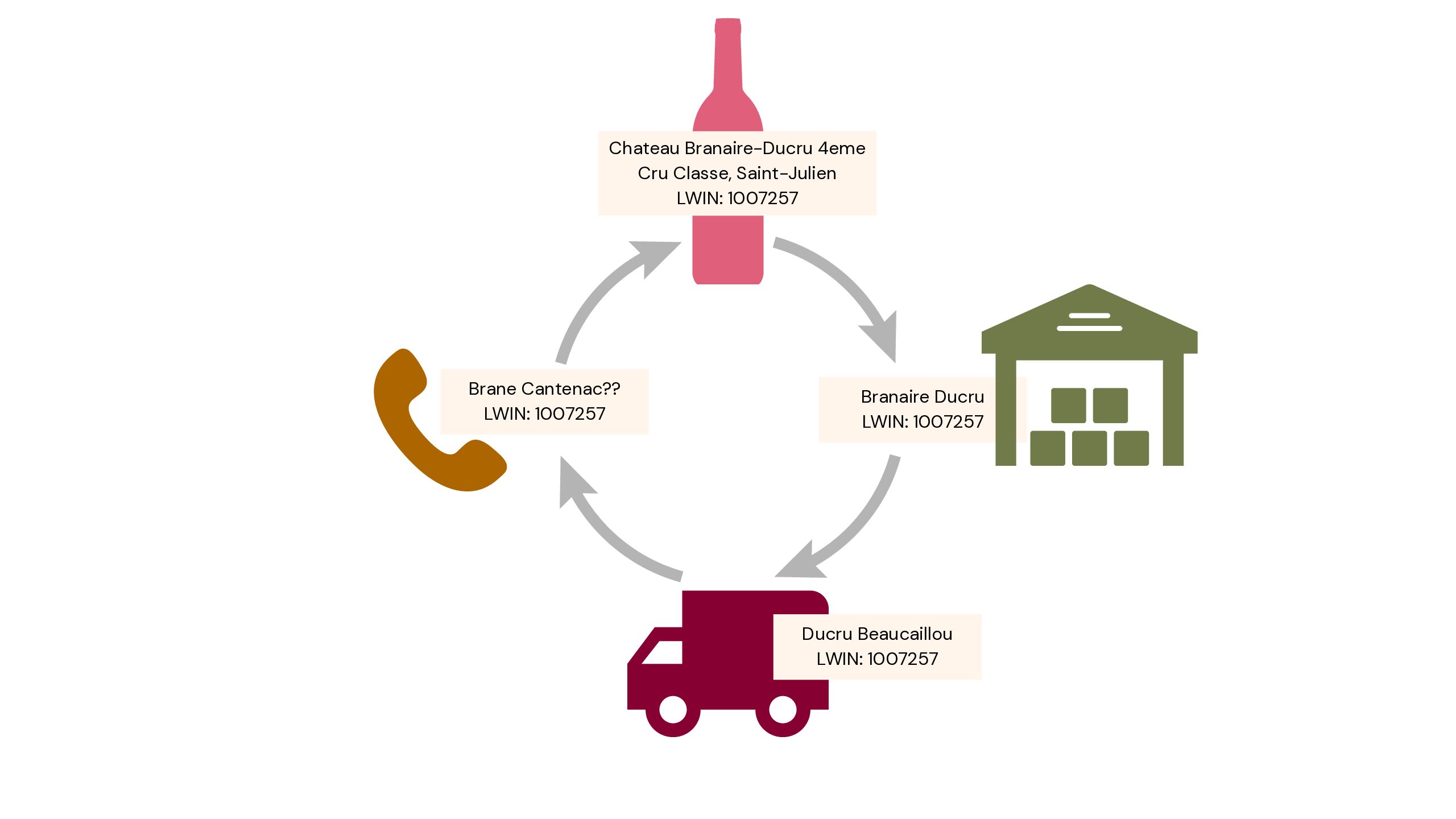
Fifteen years ago, Liv-ex introduced LWIN: a common language for wine.
At the time, the challenge facing the wine trade was simple but significant. Different merchants, systems, warehouses and marketplaces often described the same wine in different ways. Without a shared identifier, exchanging information accurately and efficiently was difficult.
Today, millions of wines are identified using LWIN. It underpins pricing, trading, logistics, inventory management and data exchange across the global fine wine industry.
But mapping a wine list to LWIN is only the beginning. Once wines have been identified, businesses need trusted data to value stock, identify opportunities and decide what to do next.
Liv-ex has now improved both the matching process and the workflows that follow, making it easier to move from identifying wines to enriching matched lists.
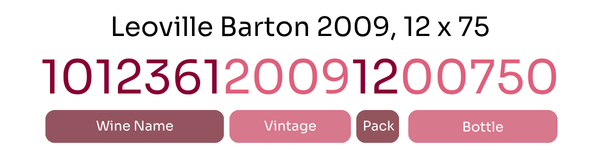
Introducing the next generation of LWIN matching
Liv-ex has introduced two connected improvements designed to help members work with wine lists more efficiently and at scale.
Wine Matcher in List Studio
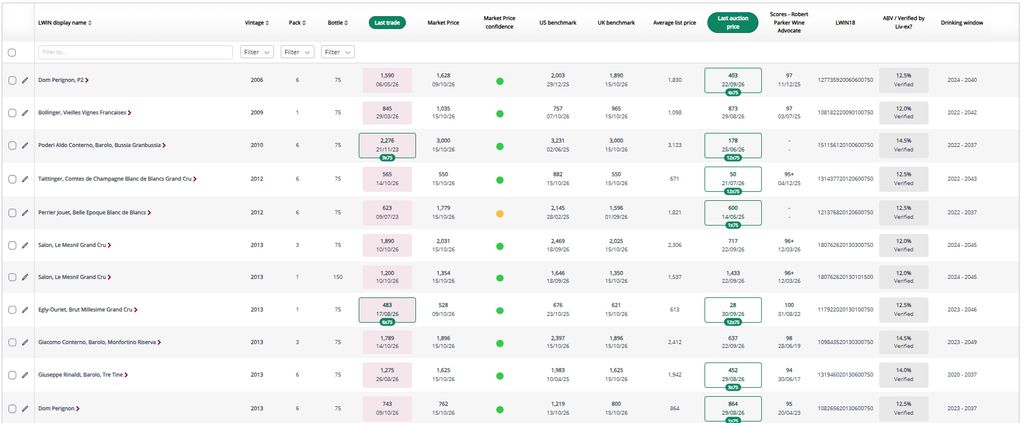
Wine Matcher, Liv-ex’s member-exclusive matching tool, is now available directly within List Studio. Members can upload a wine list, match it to LWIN, and layer in trusted price and product data in bulk.
Once matched, lists can be enriched with Liv-ex data including Market Price, Last Trade, Best Bid and Best Offer, alongside product information including critic scores and ABVs. This gives members the data they need to support valuations, benchmark stock, identify buying and selling opportunities, and build out their e-commerce websites.
A redesigned LWIN matching engine
Behind Wine Matcher, Liv-ex data scientists have redesigned the LWIN matching algorithm.
The new engine combines modern AI with Liv-ex’s proprietary wine data and specialist matching expertise. This allows it to recognise a broader range of variations in wine names, vintages and formats, improving automated wine identification without compromising accuracy.
Higher match rates without compromising accuracy
The redesigned engine delivers significantly higher automatic match rates while maintaining precision above 99%.
This means more wines can be matched automatically, reducing the number that require manual review or correction while preserving the accuracy businesses need when working with wine and pricing data.
It is also built to process larger workloads. The engine can match up to 1,500 lines per minute and supports lists containing up to 10,000 lines.
Members can run multiple matching jobs simultaneously and continue working on other tasks while their lists are processed in the background.
From matching wines to creating value
Matching a list to LWIN makes the information within it more useful. Once wines have been identified, members can enrich their lists with Liv-ex price and product data and use that information to support their next decision.
Depending on the list, that could mean valuing inventory, benchmarking prices, identifying opportunities to sell or finding wines they may want to buy.
Our long-term vision for LWIN is to make it easier for the wine trade to identify products and work with wine data at scale. AI gives us new ways to solve the complexity of wine matching, but it is most effective when combined with Liv-ex’s proprietary dataset and the expertise we have built over many years. Greater automation is important, but not at the expense of accuracy. The trade needs both. Marco Alparone Liv-ex
Continued investment in wine data
As businesses invest in modern inventory systems, e-commerce platforms, trading tools and pricing technology, reliable product identification becomes increasingly important.
This latest evolution of LWIN reflects Liv-ex’s continued investment in technology that helps members work with wine data more efficiently, accurately and at greater scale. By combining a more powerful matching engine with one connected workflow, members can spend less time preparing their data and more time acting on it.


