How we Rebuilt the LWIN Matching Engine
We have rebuilt the LWIN matching engine; combining traditional search techniques, a language model trained on Liv-ex wine data and a confidence model.

Matching a wine list to LWIN might appear straightforward. A wine description comes in, the system searches for the corresponding record, and an LWIN is returned. In practice, wine data is rarely that consistent.
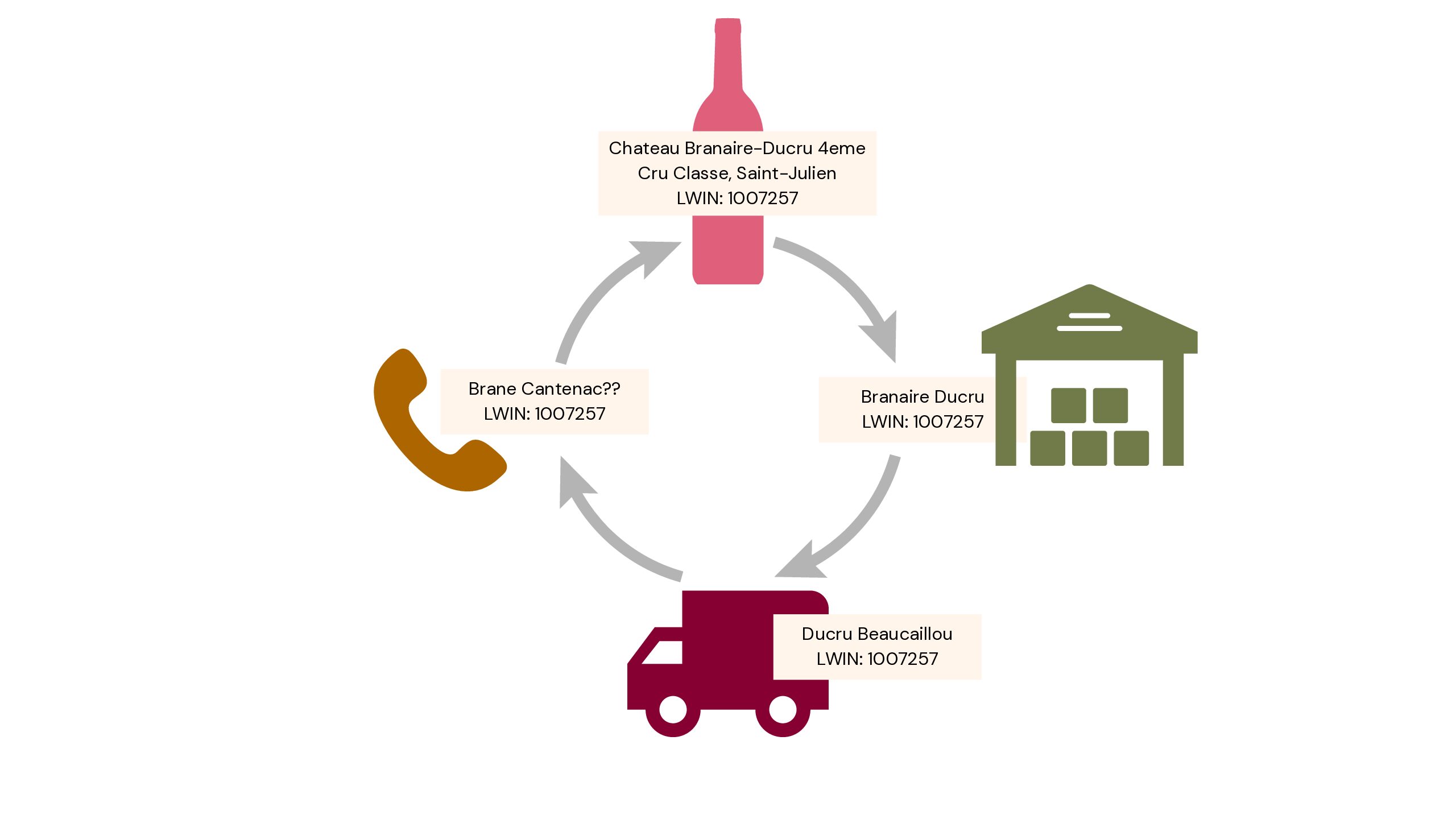
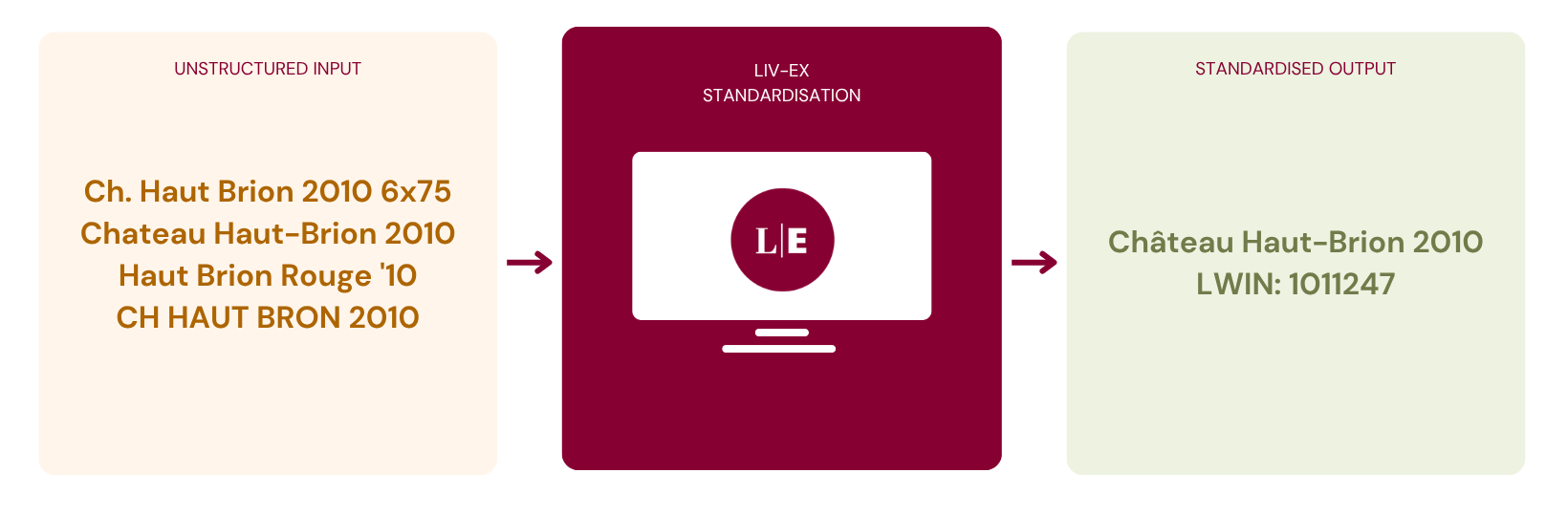
The same wine may be described differently by merchants, systems, warehouses and marketplaces. Names can be abbreviated or misspelt. Accents and punctuation vary. Some descriptions include the vintage and bottle format; others omit important information entirely.
Over the past few months, we have rebuilt the LWIN matching engine to handle this complexity more effectively. The new system combines traditional search techniques, a language model trained on Liv-ex wine data and a separate confidence model. Together, they allow us to automate substantially more matches without compromising the level of accuracy the wine trade requires.
Why the original matcher needed to evolve
Our previous matching system relied heavily on exact matches. If the description submitted corresponded directly with an existing LWIN record in our database, the system could return the match.
That approach worked well when the incoming data was clean and complete. However, a spelling mistake, an alternative naming convention or a missing piece of information could prevent the system from identifying the wine automatically. The line would then require manual review, even where the correct result might be relatively clear to a wine expert.
The challenge was therefore not simply to build a more flexible search. We needed a system that could recognise variations while distinguishing between wines with very similar descriptions. Just as importantly, it needed to know when there was not enough evidence to make a reliable automatic match.
What powers the new engine
At the heart of the new engine is a machine-learning-powered model. Rather than looking for exact matches, it learns the patterns in how wines are described, so it can recognise the same wine however it is written. This model interprets each wine description and finds the most likely LWIN. Descriptions are first cleaned and standardised, so that superficial formatting differences don’t distort the result.
The core of the model is a cross-encoder. It reads the submitted description alongside each candidate LWIN record and assesses how closely the two correspond. It scores the most likely candidates and reranks them from the most to the least likely match.
An important part of the training process is the use of “near misses”: wines that look plausible but are not the correct result. Teaching the model to distinguish between these closely related records helps it recognise that a description containing many of the right words is not necessarily the right wine.
What sets the engine apart is the data behind it. The model is trained on decades of high-quality Liv-ex wine data, built up and maintained by specialists who know the market. That depth gives it a grounding in how wines are actually named, abbreviated and traded. Over the course of its training process, it is taught the subtleties of wine nomenclature, as well as a large range of expert-backed knowledge.
The engine also improves over time. Mistakes become training material, so the model learns from each one and becomes more reliable with every round of refinement.
Automation is only one layer. Our team of wine experts reviews the results and examines the cases the engine can’t resolve with confidence. This gives a second layer of scrutiny and keeps the matches dependable.
More automation without compromising accuracy
During each training run, we tune the confidence threshold to maximise coverage while maintaining accuracy of at least 99%.
For members, this means that more wines can be identified automatically, with fewer lines requiring manual review or correction. It also makes it possible to process larger lists more efficiently, while preserving the accuracy needed when the resulting LWINs are used with wine and pricing data.
Building a system that continues to improve
The rebuilt matcher is not simply a more permissive version of our previous search. It is a new process designed around the realities of wine data.
Fast retrieval helps us find plausible records at scale. The language model distinguishes between closely related wines. Confidence scoring determines when the engine should act automatically and when a person should review the result. Corrections from our wine experts can then inform future model training.
This combination of technology, proprietary wine data and specialist expertise is central to the approach. AI gives us better ways to interpret inconsistent descriptions, but automation is only useful if the resulting matches remain dependable.
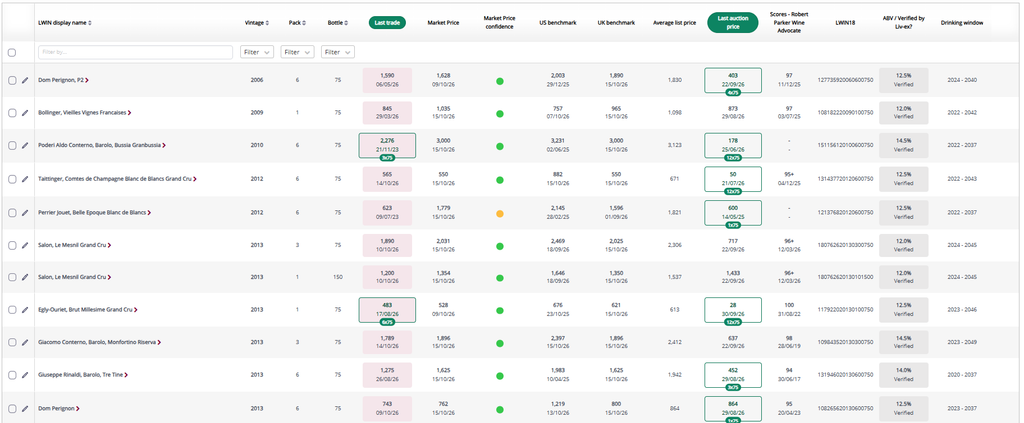
By increasing automatic coverage while maintaining accuracy above 99%, the new engine reduces the work required to prepare wine data and makes it easier to move from an unstructured list to accurate product identification. From there, LWIN can become the foundation for adding trusted price and product data and supporting decisions about valuations, stock, buying and selling.